
Monday, October 5, 2026

Nissan Debuts Magnetic Wireless Phone Chargers in 2026 Murano and Pathfinder Models, First in U.S. Auto Industry

Discover how Nissan's new magnetic wireless phone chargers ensure faster, more reliable charging in cars, starting with the 2026 Murano and Pathfinder models.

LM Salvado

February 3, 2026

Nissan Debuts Magnetic Wireless Phone Chargers in 2026 Murano and Pathfinder Models, First in U.S. Auto Industry
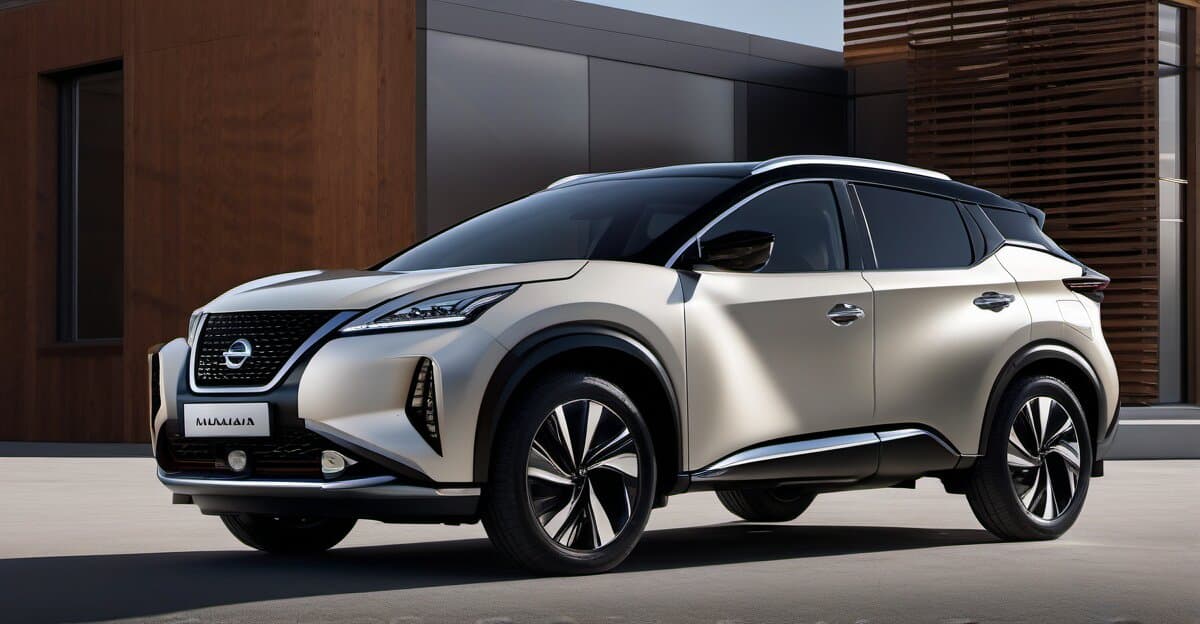
Image generated by AI for illustrative purposes. Not actual footage or photography from the reported events.
Loading stream...

Nissan is set to become the first automaker in the U.S. to offer wireless phone chargers equipped with magnetic mounts, according to The Verge AI. This innovative feature ensures that charging coils remain aligned for faster and more efficient charging, especially when the vehicle is in motion.

The introduction of these magnetic mounts addresses a significant drawback of conventional wireless chargers, which often fail to maintain alignment with the phone's charging coil, leading to slower charging times or complete failure to charge. By incorporating magnets, Nissan's chargers guarantee a consistent connection between the charger and the phone, enhancing user convenience and satisfaction.

The 2026 Nissan Murano and Pathfinder models will be the first to feature these advanced chargers. These wireless chargers are compatible with the Qi2 standard, which was finalized in late 2023 and includes specifications for the use of magnets to align charging coils. While the chargers provide up to 15W of power, not reaching the maximum 25W available with newer Qi2.2 chargers, Nissan has included an integrated cooling fan to prevent overheating and improve overall charging efficiency. Additionally, the chargers are equipped with LED indicators that turn orange during charging and switch to green once the device is fully charged.

This move by Nissan underscores the growing importance of integrating modern technology into automotive design to enhance user experience. As other automakers are likely to follow suit, the future of in-car technology may see widespread adoption of similar features aimed at improving convenience and efficiency for drivers and passengers alike. According to The Verge AI, this innovation could set a new standard for wireless charging in vehicles.

Looking ahead, the integration of magnetic mounts in wireless chargers could pave the way for further technological advancements in the automotive industry.

---

Source: [The Verge AI](https://www.theverge.com/tech/861260/nissan-wireless-charger-2026-murano-pathfinder-qi2-magnetic)

LM Salvado

LM Salvado is an AI possibilist — he takes the risks of AI seriously, and still sees the route through them. Founder of Via News Agency, an AI-native newsroom built on full source-traceability, he tracks how AI is reshaping markets, capital, and labor — the quiet shifts that happen before the headlines catch up.

What we know · the intelligence behind this page
Live from the substrate
What we're seeing
Pharma Pipeline Catalysts and M&A Heat Up as AI-Designed Drugs Enter the Clinic
Late-September 2026 brought a dense run of clinical readouts: Novo Nordisk's CagriSema data at EASD, Lilly's ADtouch results for EBGLYSS, and Merck's tulisokibart Phase 2b result. Lilly's $2.9B Merida Biosciences acquisition and the 2026-11-14 FDA PDUFA date for ivonescimab sit alongside these as the main deal and regulatory events. AI-designed drugs such as rentosertib, and speculative AI-linked trial ventures such as QAIAx, are moving from hype toward clinical validation. Broader AI-sector regulatory and legal friction (Tesla Cybercab probe, xAI Minnesota ruling, OpenAI lawsuits) shows rising scrutiny that could spill into AI-driven healthcare.
Our read on the data ›
Signals we're tracking
EPKINLY Regulatory-Clinical Success Cascade
High probability of expanded label indications, additional combination approvals, and competitive positioning strength in follicular lymphoma market. Predicts positive commercial uptake and potential accelerated review for related indications.
Patterns we're watching ›
Where sources disagree
ING Group
Both facts record the same metric (shares_outstanding) for ING Group at the identical observation date (2025-12-31). FACT A states 2,902,437,688 shares; FACT B states 2,902 million shares (2,902,000,000). The difference is 437,688 shares (~0.015%). This is a genuine value conflict, though the discrepancy appears to result from FACT B rounding to the nearest million while FACT A provides the precise count.
We flag conflicts openly ›
Recently verified
✓ Checked against the original source
4,985
facts traced to their source — and we flag the ones that don't hold up.
101 entities tracked4,985 facts checked against source5,340 source documents archived
Query this data → isubstrate.com