
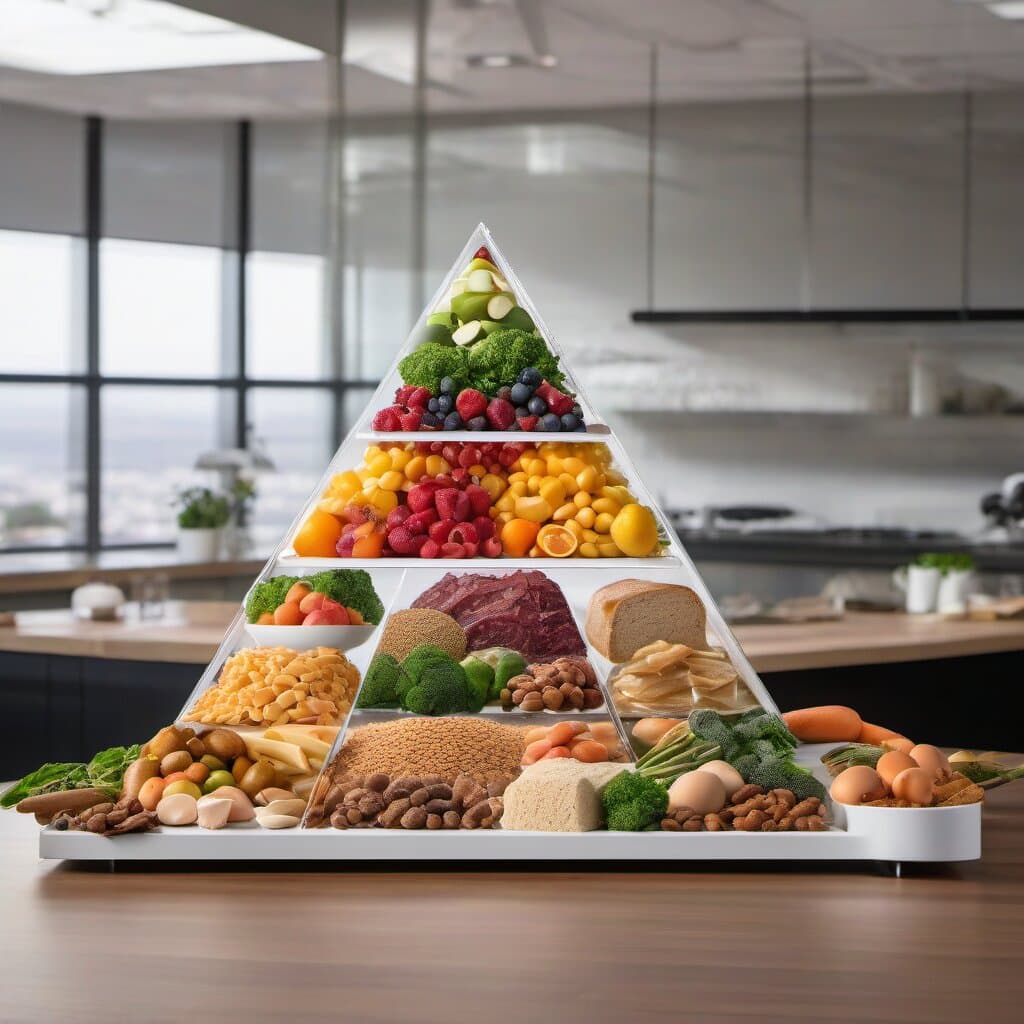
New Dietary Guidelines Promote More Protein, Raising Environmental Concerns
The Trump administration has unveiled a new food pyramid that emphasizes increased protein consumption, featuring prominent elements such as red meat, cheese, and whole milk. According to The Verge AI, this shift in dietary guidelines could have significant implications for both public health and the environment.
A Shift in Dietary Advice
The newly proposed food pyramid, described as an "inverted" version, places a large emphasis on high-protein foods, including a red steak, a wedge of cheese, and a carton of whole milk at its apex. This marks a departure from previous nutritional advice, which often recommended limiting these high-fat protein sources for health reasons. The administration claims this move is part of their strategy to "end the war on protein."
Environmental Impact
Experts warn that if Americans were to follow these new guidelines, it could lead to increased environmental pollution. The production of red meat and dairy products is known to contribute significantly to greenhouse gas emissions, with beef being particularly resource-intensive. According to The Verge AI, promoting higher consumption of these items could push Americans further away from adopting a low-carbon diet, potentially exacerbating climate change.
Historical Context
In 2011, the U.S. officially moved away from using the food pyramid as an official nutritional guide. However, the new guidelines from the Trump administration still carry symbolic weight and could influence public perception and dietary habits. The USDA even shared an image on social media depicting President Donald Trump wearing a milk mustache, reinforcing the promotion of dairy products.
Individual vs. Industry Impact
While there is ongoing debate about whether individual consumer choices should be held accountable for the carbon footprint of food systems, experts point out that the environmental impact largely depends on how industries operate. Moreover, survey data indicates that Americans do not typically adhere strictly to federal nutritional recommendations. Nevertheless, if these guidelines were to prompt changes in both food production and consumption patterns, the resulting increase in pollution could have serious consequences for the environment.
Looking Ahead
The future impact of these guidelines remains uncertain, given the history of non-compliance with past dietary advice. However, the potential shift towards higher protein intake, especially from sources like beef and dairy, underscores the need for careful consideration of both health and environmental factors in national nutrition policies.
According to The Verge AI, the new guidelines signal a notable change in dietary advice, with significant potential implications for both public health and the environment. Whether Americans will adopt these recommendations and what the broader impact might be remains to be seen.