
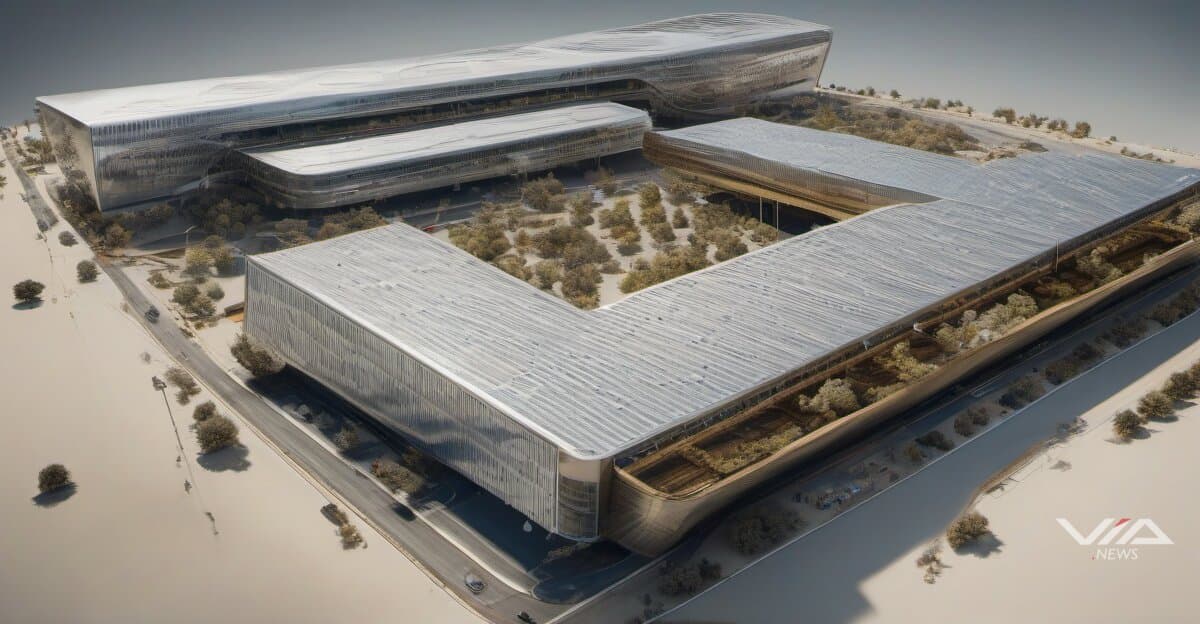
Alphabet raised its capital expenditure forecast to $205 billion, up from prior guidance, to fund AI infrastructure expansion.1 The company's shares fell following the announcement.2
The increased spending target signals an acceleration in data center and chip capacity aimed at supporting AI workloads, including training and inference for Google's large language models.1 Hyperscalers including Alphabet have faced growing pressure to secure compute capacity as demand for AI services outpaces available infrastructure.
Investors reacted to the capex increase with concern over near-term margin compression and free cash flow.2 Large capital outlays reduce cash available for buybacks and dividends in the short term, even when tied to future revenue opportunities. The stock decline reflects a common pattern among tech investors: rewarding AI ambition in principle while penalizing the immediate cost of pursuing it.
The $205 billion figure places Alphabet among the largest capital spenders in the technology sector, intensifying competition for AI hardware, including GPUs, custom chips, and data center construction capacity.1 Rivals with comparable AI infrastructure ambitions are likely to face similar investor scrutiny as they scale their own spending plans.
Whether the stock decline proves temporary depends on how markets weigh long-term AI revenue against short-term cash flow impact. Analysts will look to Alphabet's subsequent earnings calls for commentary on margins and free cash flow tied to the infrastructure buildout, along with any indication that the elevated spending pace will persist into future years.2
The capex increase underscores how AI infrastructure costs are reshaping capital allocation across major technology companies, with implications for hardware suppliers, cloud competitors, and investors assessing the timeline for AI investments to generate returns.1