
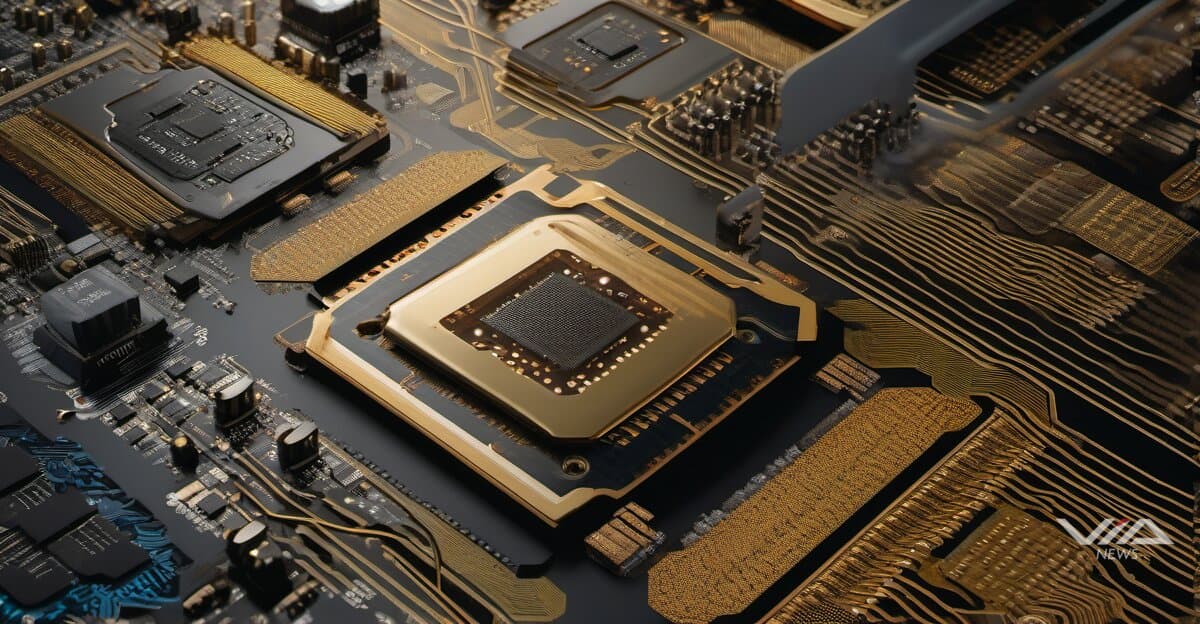
Semiconductor companies are experiencing bifurcated market conditions as AI infrastructure spending drives demand for specialized chips while post-COVID memory cycles mature. The divide separates AI-benefiting manufacturers from commoditized segment players.
InspireSemi is developing high-performance accelerators for HPC, AI, and graph analytics workloads. The company targets compute-intensive applications requiring energy efficiency beyond general-purpose processors.
Process node competition intensified with Intel pushing its 18A manufacturing technology. Advanced nodes enable higher transistor density and power efficiency critical for AI accelerators handling trillion-parameter models.
The Connectivity Standards Alliance released Aliro 1.0, uniting semiconductor companies behind an open standard for secure access control. STMicroelectronics offers complete connectivity portfolios supporting three Aliro configurations: NFC-only, NFC plus Bluetooth Low Energy, and NFC plus Bluetooth LE plus UWB for hands-free access. "ST's Aliro technology expertise, long-term solution availability and decades of experience in security and connectivity enable customers to accelerate development," said Luca Verre.
Nordic Semiconductor backed the standard's ecosystem approach. "Aliro raises the bar for secure and interoperable access control. When ecosystems align on open standards, it simplifies development and strengthens user trust," said Øyvind Strøm.
Automotive electrification is creating semiconductor opportunities beyond AI. Wolfspeed supplies silicon carbide chips to Toyota's electric vehicles. "Silicon carbide is the industry standard semiconductor for high voltage onboard power systems supporting automotive industry's rapid transition to clean energy vehicles," Wolfspeed stated. Silicon carbide handles higher voltages and temperatures than traditional silicon.
Market signals remain mixed across segments. Lattice Semiconductor forecast Q1 revenue between $158 million and $172 million, reflecting uncertainty in programmable logic markets.
The sector's strategic inflection point rewards vertical specialization over horizontal breadth. Companies with AI accelerator roadmaps or automotive power semiconductor expertise are positioning for growth. Traditional memory and commodity logic suppliers face margin pressure as those markets normalize from pandemic-driven spikes.