
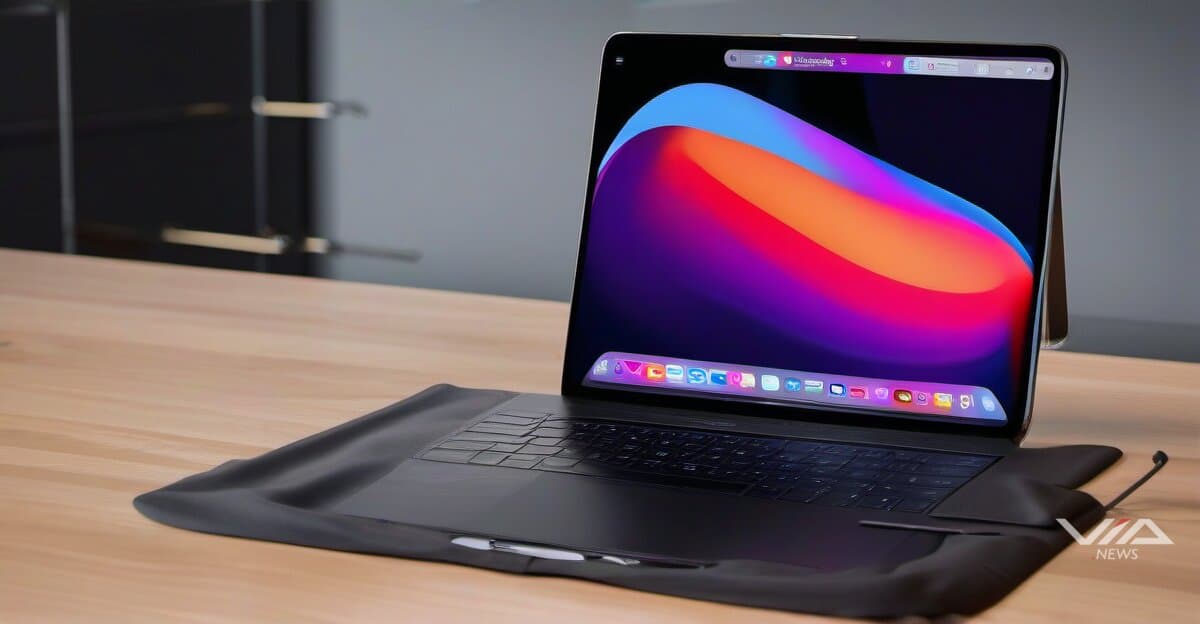
Apple is launching M5 Pro and M5 Max chips for MacBook Pro in early March 2026, while Samsung unveils the Galaxy S26 with advanced AI-optimized processors during the same timeframe. Both companies are targeting AI workload efficiency in their latest silicon designs.
Nvidia announced $2B in investments across photonics partnerships with Coherent and Lumentum, signaling a strategic shift toward optical interconnects for AI infrastructure. Photonics technology promises faster data transmission and lower power consumption compared to traditional electrical connections in high-performance computing environments.
The timing reveals intensifying competition in AI hardware acceleration. Apple's M5 chips continue the company's custom silicon strategy for Mac computers, focusing on neural processing capabilities. Samsung's Galaxy S26 processors aim to deliver on-device AI features for mobile users.
Analog Devices reported strong demand from industrial and data center customers as the AI boom drives semiconductor sales. The company's Q4 results reflect broader market momentum in AI infrastructure spending.
Lattice Semiconductor issued Q1 revenue guidance of $158M to $172M, indicating continued demand in the sector. SiTime Corporation announced plans to acquire Renesas' timing business, with the deal expected to be accretive to non-GAAP earnings per share in the first year post-close.
Nvidia's photonics investments represent a bet on next-generation data center architecture. Optical interconnects can handle the massive data throughput required for large language models and AI training clusters, addressing bottlenecks in current electrical systems.
The March 2026 product launches from Apple and Samsung will test consumer and enterprise appetite for AI-specific hardware features. Apple's M5 chips target creative professionals and developers running machine learning workloads locally. Samsung's mobile processors aim to deliver competitive AI capabilities without cloud dependencies.
Industry analysts view the simultaneous launches as evidence that AI hardware optimization has moved from data centers to consumer devices. Companies are racing to deliver efficient on-device AI processing as models become more sophisticated and privacy concerns grow around cloud-based AI services.