
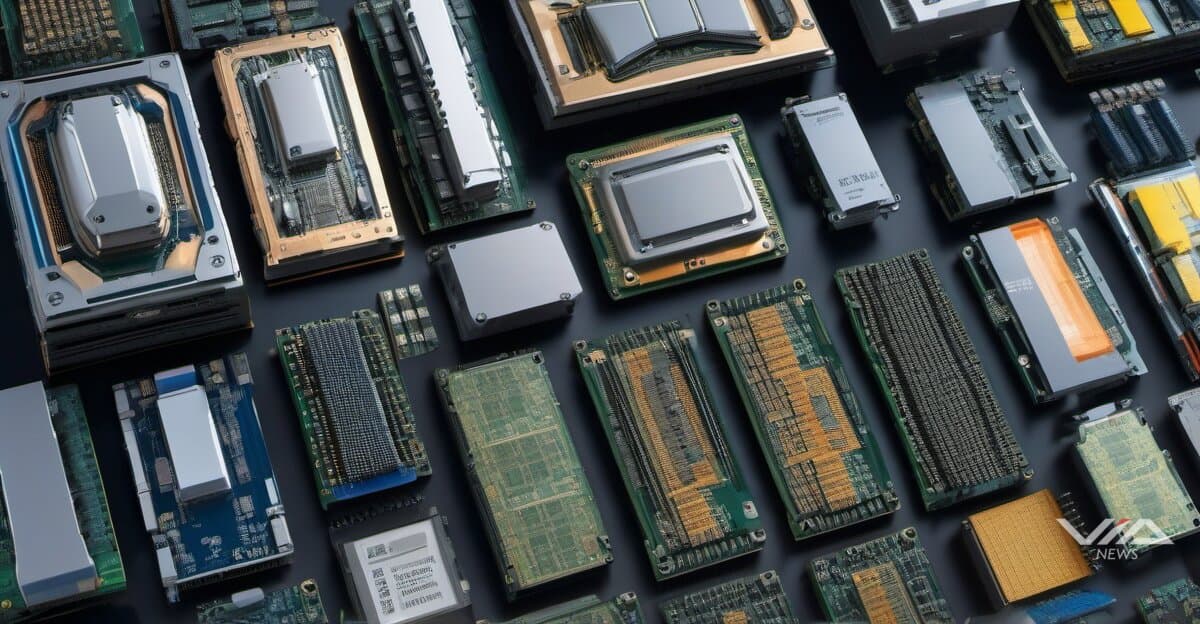
Memory chip shortages peaked in Q1 2026, creating a bottleneck for AI infrastructure deployment as companies struggled to secure DRAM and high-bandwidth memory supplies needed for GPU systems and agentic AI workloads.1
Intel reported it cannot meet strong demand due to supply constraints expected to peak this quarter.1 The company projects constraints will clear starting in Q2 2026, leading to above-seasonal results in subsequent quarters.1 Susquehanna raised its Intel price target on this outlook.1
The shortage stems from memory supply chains failing to keep pace with an inflection in CPU demand driven by agentic AI workloads, according to Susquehanna analyst Christopher Rolland.1 These AI agents require significantly more memory and processing power than traditional applications, straining already tight component markets.
Memory shortages are hurting PC builds, which could negatively impact Intel's client computing business, Rolland noted.1 The constraints affect the entire computing stack, from consumer PCs to data center infrastructure needed for AI model deployment.
JPMorgan downgraded Qualcomm, citing near-term pressure in smartphone markets due to memory supply shortage and market share loss.1 The firm also downgraded optical component makers Fabrinet and Corning on supply chain concerns.1
The bottleneck advantages companies with secured memory supply chains and long-term contracts with memory manufacturers. Firms that locked in HBM and DRAM allocations months ago can continue deploying AI infrastructure while competitors face delays.
AI hardware stocks face volatility as investors weigh strong underlying demand against near-term revenue constraints. Companies unable to ship products due to memory shortages may miss Q1 targets despite healthy order books.
The Q1 peak suggests relief ahead. If Intel's projection holds, Q2 2026 could see sequential acceleration as memory supplies normalize and backlogged orders ship. Companies positioned to ramp quickly when constraints ease may capture outsized Q2 gains.
The shortage highlights vulnerabilities in AI infrastructure supply chains, where memory has emerged as a critical chokepoint alongside GPU availability and power capacity.