
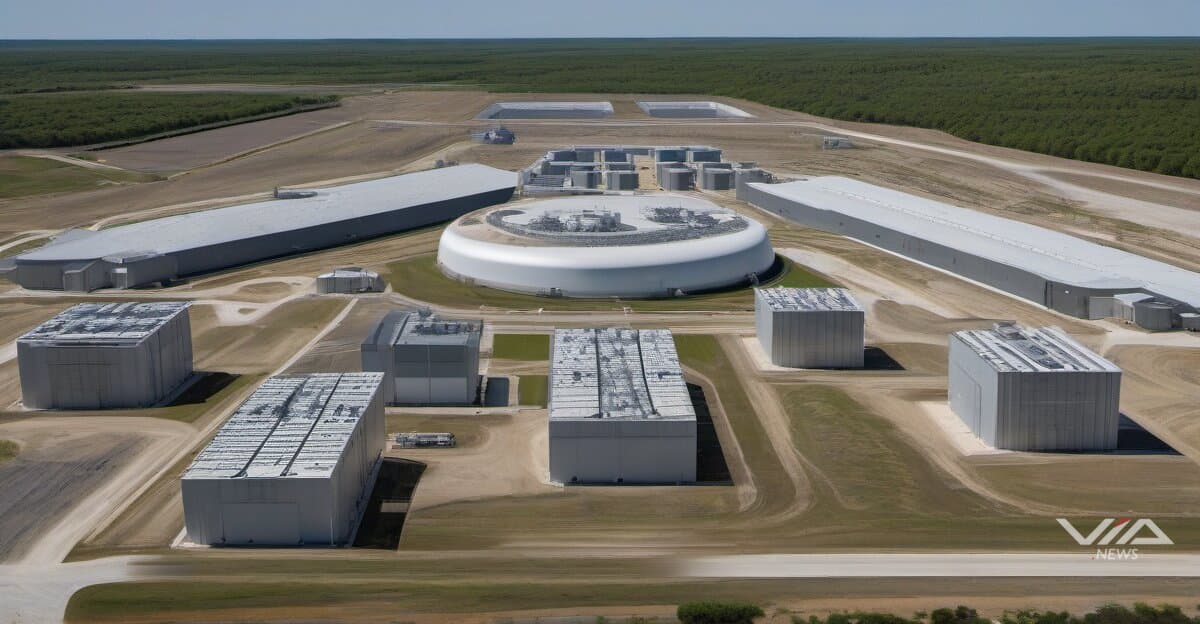
Intel's Terafab initiative is driving domestic semiconductor manufacturing expansion as U.S. companies restructure supply chains away from Chinese dependencies.1 The move comes as federal regulations will ban Chinese-origin rare earth materials in defense systems starting 2027, forcing manufacturers to secure alternative sources for AI chip production.
Advanced packaging capabilities are seeing immediate investment. Camtek secured a $31 million order for AI packaging equipment, reflecting demand for domestic production tools.2 Silicon Motion, a major supplier to NAND flash vendors and storage device makers, is positioning for the supply chain realignment affecting memory and logic chip production.3
The regulatory shift impacts multiple semiconductor subsectors. AI accelerator manufacturers face pressure to validate non-Chinese material sources while maintaining performance standards. Autonomous driving chip makers must similarly restructure supplier networks, creating opportunities for U.S.-based materials companies.
Testing and materials suppliers are adapting infrastructure. Aehr Test Systems and Entegris are among companies adjusting capabilities for increased domestic production volumes. SEALSQ is developing post-quantum security chips as part of the broader technology sovereignty push.
The transformation extends beyond defense applications. Commercial AI chip production is following similar sourcing patterns to avoid future regulatory complications. This creates parallel supply chains: legacy international networks and emerging U.S.-centric alternatives.
POET Technologies recently clarified its passive foreign investment company status for U.S. shareholders, with qualified electing fund election expected to result in zero income inclusion for fiscal 2025.4 The move reflects how optical and semiconductor companies are streamlining U.S. market access amid heightened focus on domestic technology infrastructure.
Navitas Semiconductor and other power semiconductor firms are monitoring how the decoupling affects gallium nitride and silicon carbide supply chains, critical for AI data center power management.5 The restructuring creates near-term cost pressures but potentially strengthens long-term supply security for U.S. AI infrastructure development.