
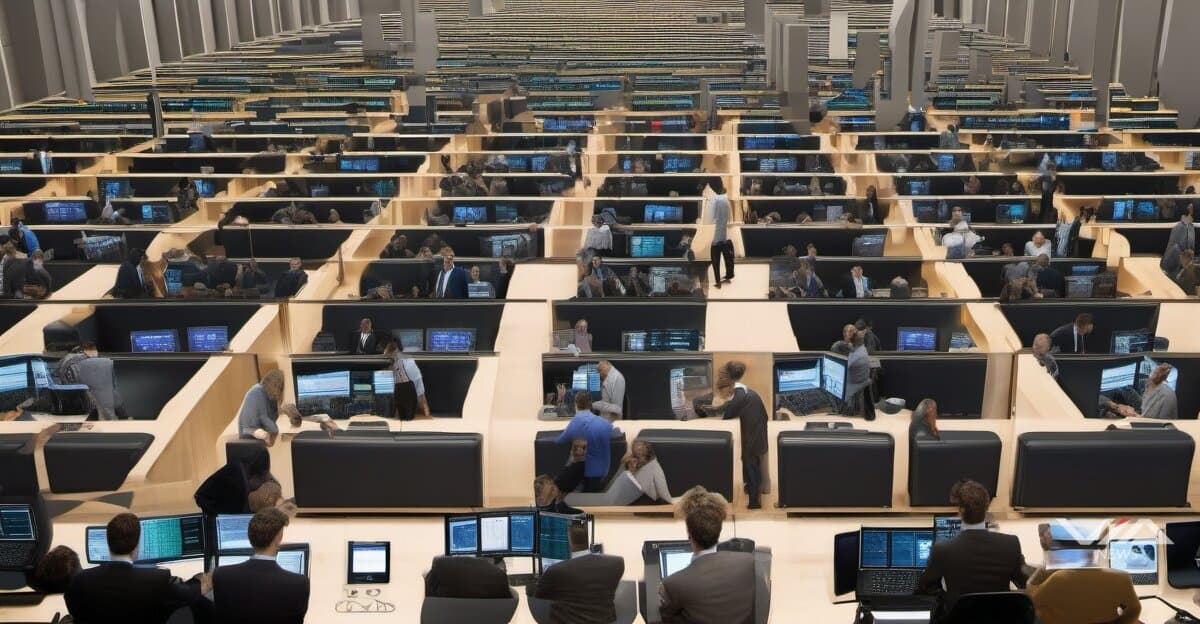
Google TPUs and advanced deep learning models are driving a transformation in crypto trading infrastructure, with institutional market makers and retail platforms deploying AI-powered systems for algorithmic trading.
Flow Traders, a major market making firm, launched a deep learning initiative targeting crypto market operations. The platform uses neural networks to optimize trade execution and liquidity provision across digital asset exchanges.
BitMart rolled out a multi-product AI trading ecosystem that integrates machine learning models for price prediction, risk management, and automated order routing. The exchange reported increased trading efficiency following the AI deployment.
Retail traders gained access to institutional-grade AI tools through nof1.ai, which runs competitions using real capital. The platform allows users to test trading algorithms against live market conditions, democratizing access to AI-powered trading infrastructure previously limited to hedge funds and market makers.
Google's Gemini 3 language model is being integrated into trading platforms for sentiment analysis and news-based signal generation. The model processes social media feeds, regulatory filings, and market commentary to generate trading signals.
The AI trading infrastructure buildout comes as crypto markets face regulatory changes. Tether's USDT faced rating downgrades from credit assessors, while European regulators approved the first Bittensor exchange-traded product, signaling growing institutional acceptance of AI-focused crypto projects.
Bitcoin volatility created a testing ground for AI trading systems. The cryptocurrency reached all-time highs before entering a correction cycle, providing diverse market conditions for machine learning models to train on.
TPU infrastructure costs remain a barrier for smaller trading operations. Google's tensor processing units deliver superior performance for deep learning workloads compared to traditional GPUs, but require significant capital investment and technical expertise to deploy effectively.
Market makers report that AI-driven systems reduced latency and improved fill rates during high-volatility periods. The technology enables faster response to market movements and better risk management across multiple trading pairs simultaneously.
The convergence of AI infrastructure and crypto markets is creating new competitive dynamics where computational power and model sophistication determine trading performance as much as traditional financial analysis.