
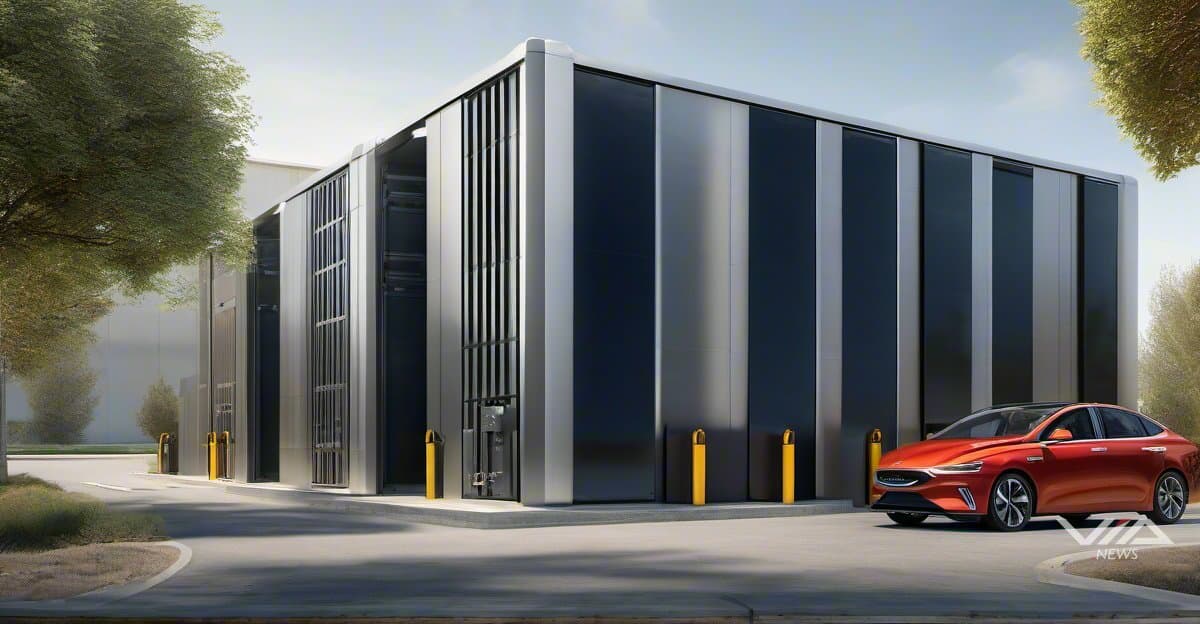
Bloom Energy signed a $1.7 billion fuel-cell agreement with Nebius AI, one of the largest on-site power deals tied to AI data centers to date.1 The contract commits Bloom to supply distributed generation capacity that bypasses traditional grid interconnection queues.
Separately, American Electric Power (AEP) signed a strategic agreement with Bloom Energy focused on AI-oriented fuel cell deployment.2 AEP is one of the largest U.S. utilities, and its move to partner with a fuel-cell supplier rather than rely solely on grid buildout signals that utilities themselves see on-site generation as necessary for AI load growth.
Grid interconnection for new large loads can take years in many U.S. regions. Fuel cells installed on-site let data center operators add power capacity without waiting for utility transmission upgrades.
Bloom Energy also expanded its distribution network in South Korea through partnerships with SK Ecoplant and SK Eternix.3 The move extends Bloom's fuel-cell supply chain into a major Asian AI and semiconductor manufacturing hub.
Bloom Energy already supplies Oracle Corp, indicating an existing commercial relationship with a major cloud and AI infrastructure provider.4 The Nebius and AEP deals extend that customer base into a dedicated hyperscale and AI compute segment.
Together, the agreements suggest AI data center operators and their utility partners are treating on-site power generation as a binding constraint on buildout speed, not just a backup option. If fuel-cell contract volume continues tracking hyperscaler capital spending, it would indicate the demand driving Bloom's growth is specific to AI infrastructure rather than general electricity demand.
The pattern to watch: Bloom Energy's order backlog and revenue disclosures over the next two to four quarters, checked against announced AI capex figures from major cloud providers. A correlation there would confirm distributed generation has become a structural requirement for hyperscale AI operations, independent of how fast the broader grid expands.