
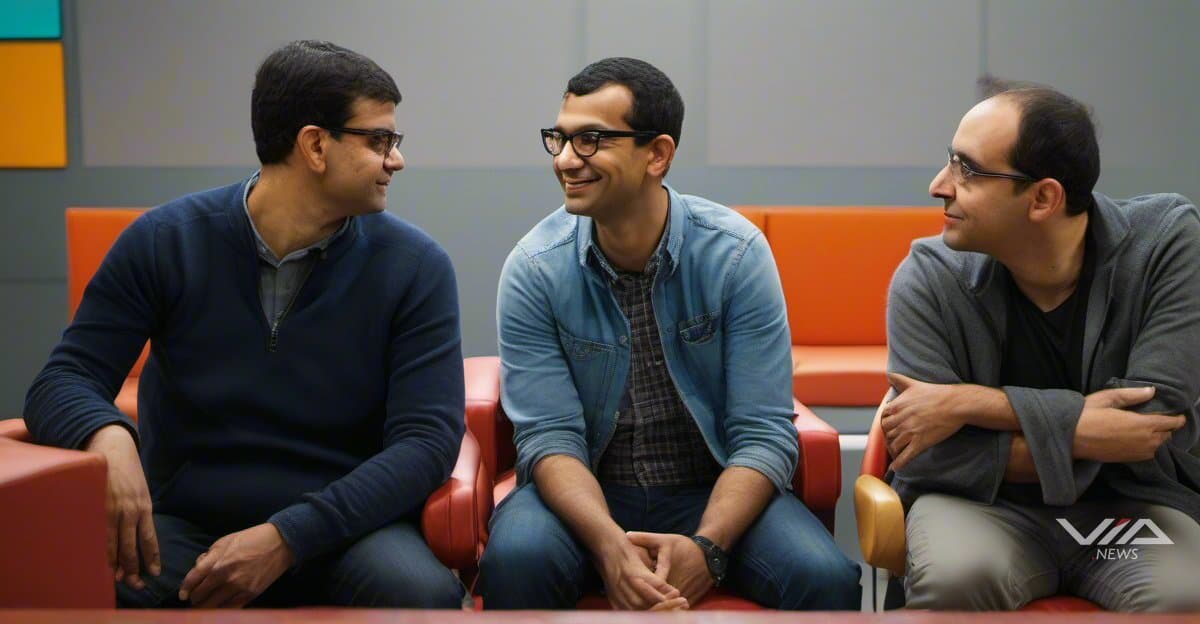
Jeff Dean and Sanjay Ghemawat, two of Google's most senior AI researchers, left the company within the same week to launch a rival startup called Discovery Loop. Two other senior Google researchers joined them.
Demis Hassabis stepped back from day-to-day leadership of DeepMind during the same week, compounding the disruption at Alphabet's AI division. Alphabet shares fell on the news.
Alphabet chose to invest in Discovery Loop despite the defection, treating its departing researchers as an external bet rather than a pure loss. The move signals a hedging strategy: rather than compete head-on against former staff, incumbents are buying a stake in what they build next.
That instinct is spreading across AI investing more broadly. Venture firm S32 backed Black Forest Labs, maker of the Flux image model, specifically because of "an incredible team," according to investor Nathan Wu.1
Enterprises are restructuring their own AI leadership ranks in parallel. Dynatrace this month named Chandu Thota, a two-decade veteran of building products used by billions, to its board as AI adoption accelerates.2
The Google exits land amid a wider AI capital race, one that includes Uber's more than $10 billion robotaxi push and new robotaxi operating licenses issued in London. Capital is concentrating around AI infrastructure and mobility bets even as senior research talent scatters into smaller, investor-backed startups.
Alphabet's dual move — losing Dean and Ghemawat while funding the venture they started — marks a shift in how frontier labs manage talent loss. Rather than treat every departure as a pure competitive threat, incumbents are positioning themselves as investors in the companies their former employees build, keeping a stake in outcomes they can no longer control directly.