
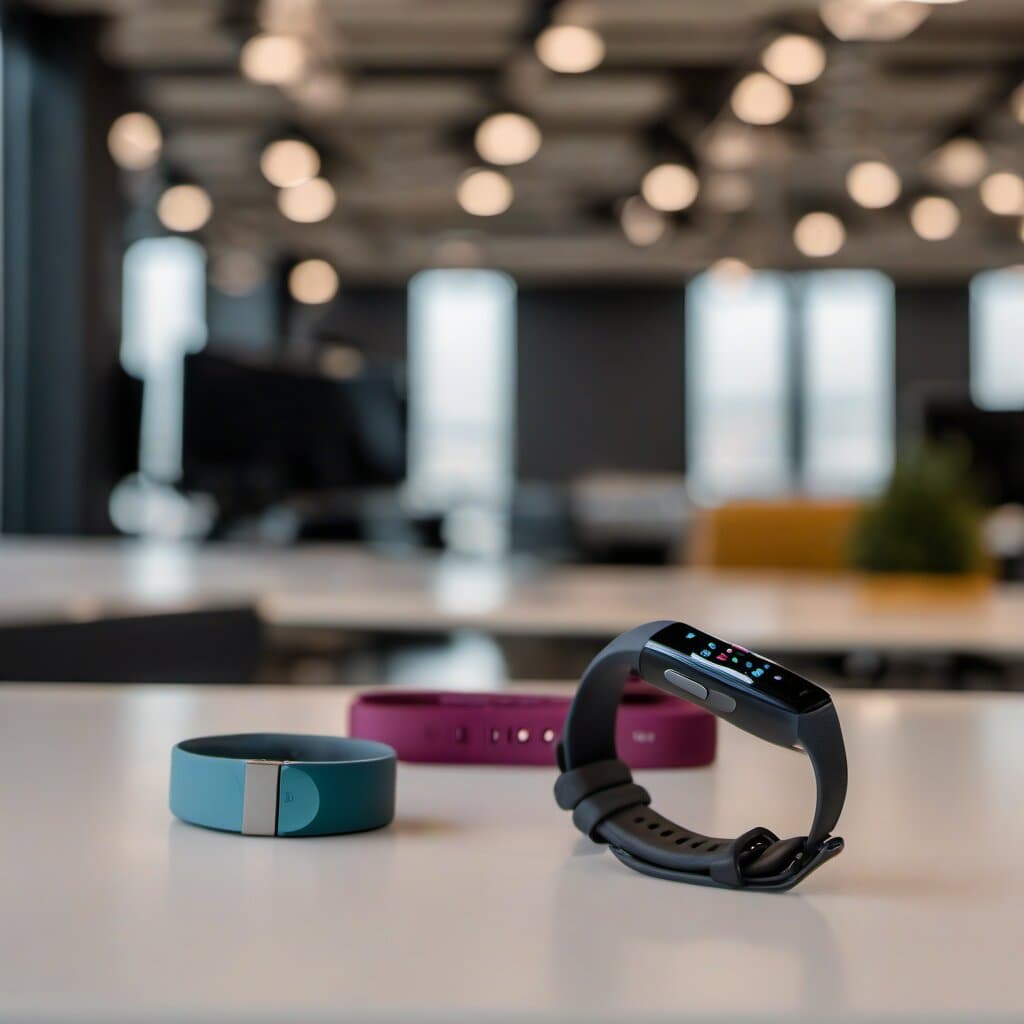
In a world increasingly reliant on wearable technology, Fitbit continues to stand out as a leader in the fitness and health tracking market. According to The Verge AI, despite being acquired by Google five years ago, Fitbit remains one of the most recognizable names in the industry. Known for its ability to track overall activity and monitor various health metrics, Fitbit offers a range of devices suitable for different needs and budgets.
A Legacy of Innovation
Since its founding in 2007, Fitbit has been synonymous with fitness trackers. The company's initial focus was on simple step counters, but over the years, it expanded its offerings to include advanced features such as heart rate monitoring, sleep tracking, and even electrocardiogram (EKG) readings. This evolution has helped Fitbit maintain its position as a leading player in the wearables market.
Transition and Challenges
However, the past few years have been tumultuous for Fitbit. The acquisition by Google brought significant changes, including a transition towards integrating Fitbit devices with Google's ecosystem. This shift has not been without its challenges. According to The Verge AI, 2023 was particularly messy, with multiple server outages and the discontinuation of legacy community features. Additionally, Fitbit accounts are now required to log in via Google, a change that has caused frustration among long-time users.
Current Offerings
Despite these challenges, Fitbit continues to offer a wide range of devices that cater to various user needs. From basic fitness trackers to full-fledged smartwatches, there is a Fitbit product for almost every type of user. The Fitbit Charge 6, for instance, is a popular choice for those who want a balance between affordability and functionality. It offers features like GPS, heart rate monitoring, and guided breathing sessions, making it suitable for both casual users and those who engage in regular exercise.
Technical Details
Fitbit devices are known for their longevity when it comes to battery life. Most models are estimated to last around five days, although features like an always-on display can significantly reduce this time. According to The Verge AI, the Fitbit team conducts extensive testing to ensure that their devices perform well under various conditions. This includes evaluating how easily the devices pair with smartphones, their durability, and their accuracy in tracking activities.
Health Metrics and Features
One of the standout features of Fitbit devices is their ability to monitor a wide range of health metrics. From tracking steps and calories burned to measuring heart rate and sleep quality, Fitbit devices provide users with a comprehensive overview of their health and fitness. Some models also offer advanced features like EKG monitoring and real-time stress tracking, which can be particularly useful for individuals concerned about their cardiovascular health.
Value Proposition
Fitbit has traditionally positioned itself as a more affordable alternative to other smartwatch brands like Apple and Garmin. While the landscape has evolved with new competitors entering the market, Fitbit continues to offer good value for money. All Fitbit devices come with a free trial to Fitbit Premium, a subscription service that provides additional features such as guided workouts and meditations. The service costs $9.99 per month or $79.88 per year, making it accessible for a wide range of users.
Design and Durability
Design is another critical aspect of Fitbit devices. According to The Verge AI, the material used in Fitbit watches, such as Material 3, contributes to a more expressive and visually appealing design. This is particularly important for devices that users wear daily. For children and athletes, Fitbit also focuses on ensuring that the straps are durable enough to withstand rigorous use.
Future Outlook
Looking ahead, the integration of Fitbit into Google's ecosystem is likely to continue. The launch of the Google Pixel Watch 4, which is compatible with Fitbit's AI-powered fitness coach, signals Google's commitment to the wearables market. While some users may be hesitant about the ongoing "Googlefication" of Fitbit, the combination of Google's resources and Fitbit's expertise could lead to innovative advancements in wearable technology.
Conclusion
In conclusion, Fitbit remains a key player in the fitness and health tracking market, offering a diverse range of devices that cater to different needs and budgets. Despite facing challenges in recent years, Fitbit continues to innovate and improve its offerings. As the integration with Google progresses, the future of Fitbit devices looks promising, with potential for enhanced features and greater accessibility. Whether you're a casual user or an avid athlete, there is likely a Fitbit device that can help you achieve your health and fitness goals. According to The Verge AI, the transition may be challenging, but the potential benefits of this partnership could lead to significant advancements in wearable technology.