
Friday, August 21, 2026
What we know · the intelligence behind this page
Live from the substrate
What we're seeing
AI Platforms Rush to Establish Content-Authenticity Standards Amid Leadership Shakeups and Sustained Capex
Within days of each other in mid-August 2026, Google, Anthropic, and Spotify moved to formalize AI content watermarking and labeling policies, signaling an industry-wide push toward self-governed provenance standards as generative AI output floods consumer platforms. The shift coincides with executive turnover at OpenAI (Brad Lightcap's departure) and Meta's public AI manifesto, all set against continued heavy AI infrastructure capital expenditure and finance-sector moves (e.g., Wall Street paying for algorithmic edges on social signals) that underscore AI's deepening entanglement with capital markets.
Our read on the data ›
Signals we're tracking
EPKINLY Regulatory-Clinical Success Cascade
High probability of expanded label indications, additional combination approvals, and competitive positioning strength in follicular lymphoma market. Predicts positive commercial uptake and potential accelerated review for related indications.
Patterns we're watching ›
Where sources disagree
JPMorgan Chase & Co.
Both facts report JPMorgan Chase & Co.'s revenue for the same fiscal period (FY 2025) with the same observation date (2025-12-31), but with different values: $182.447 billion vs. $185 billion. The ~1.4% difference ($2.553 billion) is too large to be explained by rounding alone and represents conflicting data for the identical time period.
We flag conflicts openly ›
Recently verified
Checked against the original source
4,977
facts traced to their source — and we flag the ones that don't hold up.
101 entities tracked4,977 facts checked against source5,242 source documents archived
Work with this data → vianewsagency.com

Ho Chi Minh City Mandates 100% Electric Ride-Hailing Fleets by 2030

Ho Chi Minh City will require all ride-hailing platforms to operate fully electric vehicle fleets starting January 1, 2030. The mandate targets Vietnam's largest city, where ride-hailing services like Grab and Xanh SM handle millions of daily trips. The policy accelerates Vietnam's push toward electric mobility in urban transport.

Ho Chi Minh City Mandates 100% Electric Ride-Hailing Fleets by 2030
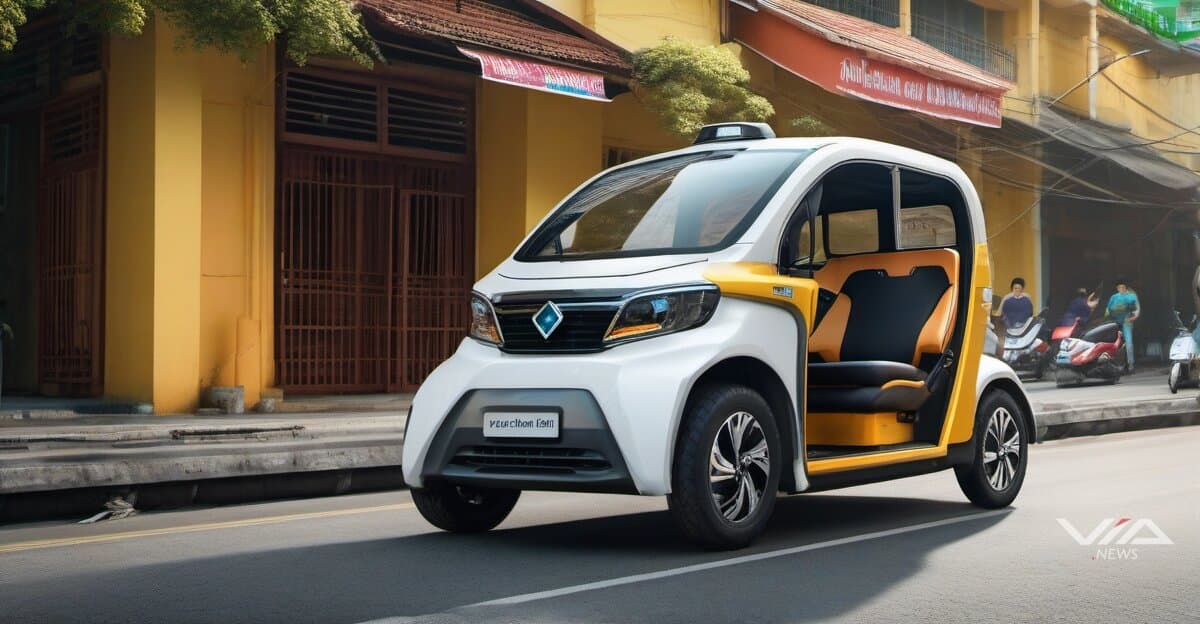
Image generated by AI for illustrative purposes. Not actual footage or photography from the reported events.
Loading stream...

Ho Chi Minh City will mandate 100% electric vehicle fleets for all ride-hailing platforms by January 1, 2030. The regulation applies to services operating in Vietnam's most populous city, home to over 9 million residents and the country's densest ride-hailing market.

Grab dominates ride-hailing in Ho Chi Minh City, with local competitor Xanh SM rapidly expanding its electric motorcycle fleet since launching in 2022. Xanh SM already operates thousands of battery-swapping electric scooters, giving it a head start on compliance.

The mandate follows Vietnam's broader electric vehicle adoption targets. The government aims for 100% of new two-wheelers sold to be electric by 2030, matching the ride-hailing deadline. Motorcycles and scooters account for 95% of vehicles in Ho Chi Minh City.

Gogoro, a Taiwanese battery-swapping network provider, operates over 300 swap stations across Vietnam and powers Xanh SM's fleet. The infrastructure build-out positions battery swapping as the preferred model for commercial electric two-wheelers, where 30-second swaps beat hours of charging.

Traditional ride-hailing platforms face conversion costs. Grab's Vietnam fleet consists primarily of gasoline motorcycles and cars. A full transition requires either vehicle subsidies, driver financing programs, or partnerships with electric vehicle manufacturers.

The policy tests whether regulatory mandates can accelerate fleet electrification faster than market incentives. China's major cities used similar mandates to electrify taxis and delivery fleets between 2018-2022, creating demand that lowered EV costs nationwide.

Air quality drives the urgency. Ho Chi Minh City regularly exceeds WHO pollution guidelines, with motorcycles contributing 70% of transport emissions. Electric two-wheelers produce zero tailpipe emissions, though Vietnam's coal-heavy electricity grid limits climate benefits until renewable energy scales.

Compliance enforcement remains undefined. The regulation lacks details on penalties, phase-in requirements, or exemptions. Implementation clarity will determine whether platforms begin fleet transitions in 2025 or delay until 2029.

Source documents

Via News is a conduit. We point to the source documents behind this report — we don't replace them. Trace any claim to its source and decide what to trust. How we source

Source Trace Score1 source document1 with a live linkVerifiability: Basic
  1. [1]News articleYahoo Finance· February 12, 2026
    Gogoro (GGR) Q4 2025 Earnings Call Transcript