
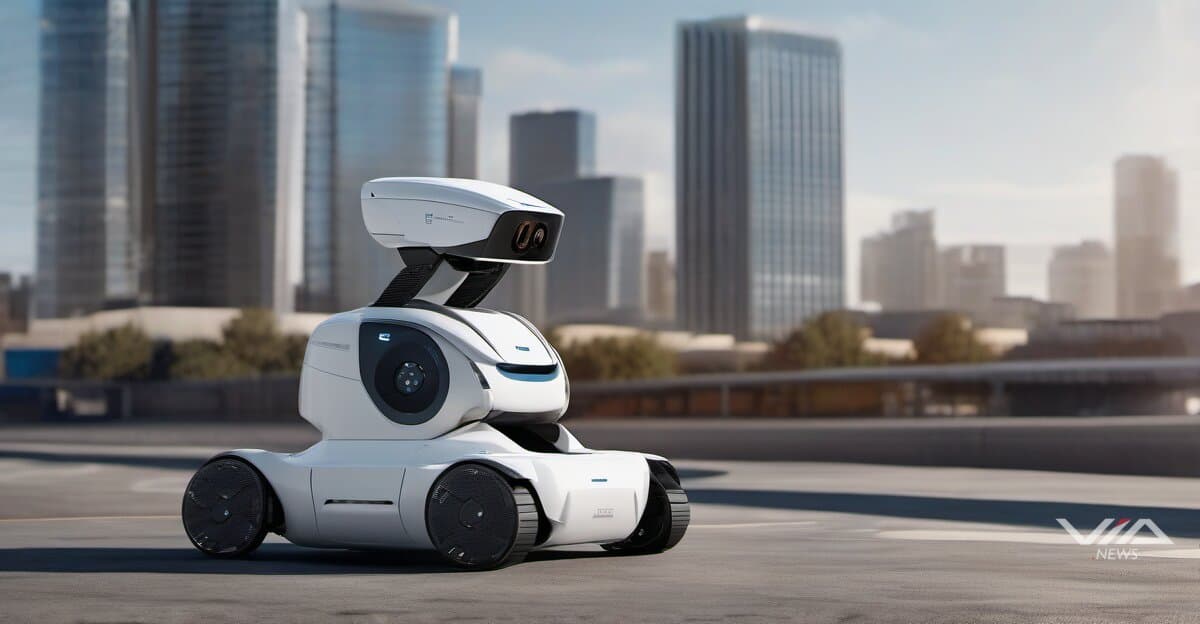
Serve Robotics operates autonomous delivery robots across 20 cities in 6 major U.S. metro areas, including Los Angeles and Washington D.C. The company runs a multi-platform fleet integrated with both Uber Eats and DoorDash, giving it access to over 80% of the American food delivery market.
The geographic spread represents a significant scaling milestone for sidewalk delivery robots. Most autonomous vehicle companies remain confined to limited pilot zones, while Serve has expanded operations coast-to-coast.
Dual-platform integration with competing delivery services indicates standardization in robotics APIs and operational protocols. Uber Eats and DoorDash typically compete for exclusive restaurant partnerships, making simultaneous robotics deployment notable.
The expansion suggests autonomous delivery has cleared key regulatory barriers in multiple jurisdictions. Each city requires separate permits for sidewalk robot operations, with varying rules on speed limits, operational hours, and safety requirements.
Serve's robots handle last-mile delivery autonomously, navigating sidewalks, crosswalks, and urban obstacles without human intervention. The company uses remote monitoring for edge cases but operates primarily in autonomous mode.
Commercial viability depends on unit economics: robot deployment costs versus human courier payments. Food delivery margins are thin, with platforms paying $3-8 per delivery to couriers. Robots require upfront capital but eliminate per-delivery labor costs.
The deployment scale provides operational data unavailable in small pilots. Twenty-city operation generates information on weather performance, pedestrian interaction, theft prevention, and maintenance requirements across diverse urban environments.
Competition in autonomous delivery includes Starship Technologies, which claims 6 million deliveries globally, and Amazon's Scout program. Starship focuses on college campuses and suburbs, while Serve targets dense urban markets.
The infrastructure required—charging stations, maintenance facilities, remote operation centers—represents fixed costs that improve with scale. Twenty cities suggest Serve has reached the threshold where expansion accelerates profitability rather than burning capital.
Multi-city autonomous operations also test regulatory frameworks. Success or failure patterns across jurisdictions will inform future robot deployment rules nationwide.