
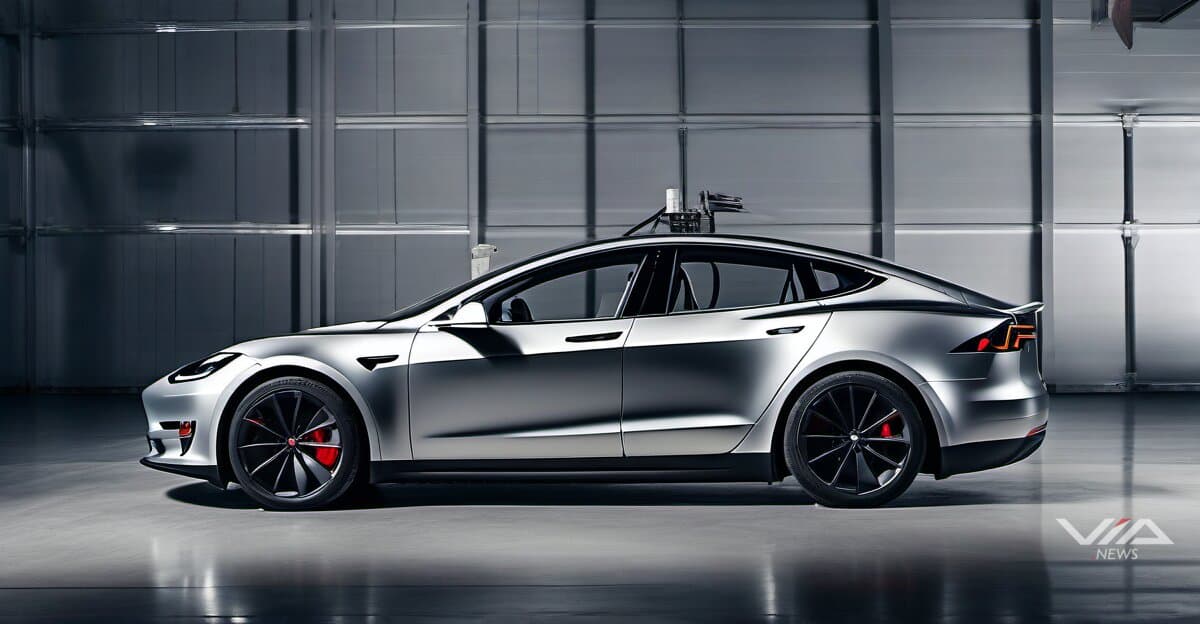
UBS upgraded Tesla and raised its price target, stating the valuation now better reflects the balance between immediate EV demand challenges and long-term opportunities.1 The move illustrates Wall Street's divided view on whether Tesla should be valued as an automaker or an AI company.
Joseph Spak maintains Tesla stock trades more on sentiment, narrative, and momentum than fundamentals.1 He expects continued high volatility as the market prices non-automotive optionality including Full Self-Driving software, robotics initiatives, and energy AI applications.
The analyst divergence stems from competing valuation frameworks. Traditional auto analysts apply EV/Sales multiples typical of manufacturers, while tech-focused researchers incorporate software and AI revenue potential that remains largely unrealized. Tesla's current premium suggests the market is pricing significant probability into autonomous vehicle commercialization and humanoid robotics deployment.
The valuation gap creates persistent tension between delivery-focused quarters and technology milestone announcements. FSD and AI reveals tend to drive stock movement independent of vehicle production data, reinforcing the hypothesis that Tesla's premium reflects optionality rather than core automotive earnings.
UBS's upgrade acknowledges this dual nature—recognizing near-term EV headwinds while validating long-term AI bets.1 The revision signals growing institutional acceptance that Tesla's valuation incorporates substantial non-automotive value drivers, even as those revenue streams remain speculative.
Spak's momentum-based framework explains why Tesla exhibits volatility patterns more similar to high-growth tech stocks than established automakers.1 Each FSD update or robotics demonstration reinforces the AI narrative, sustaining valuation levels that appear disconnected from vehicle margins alone.