
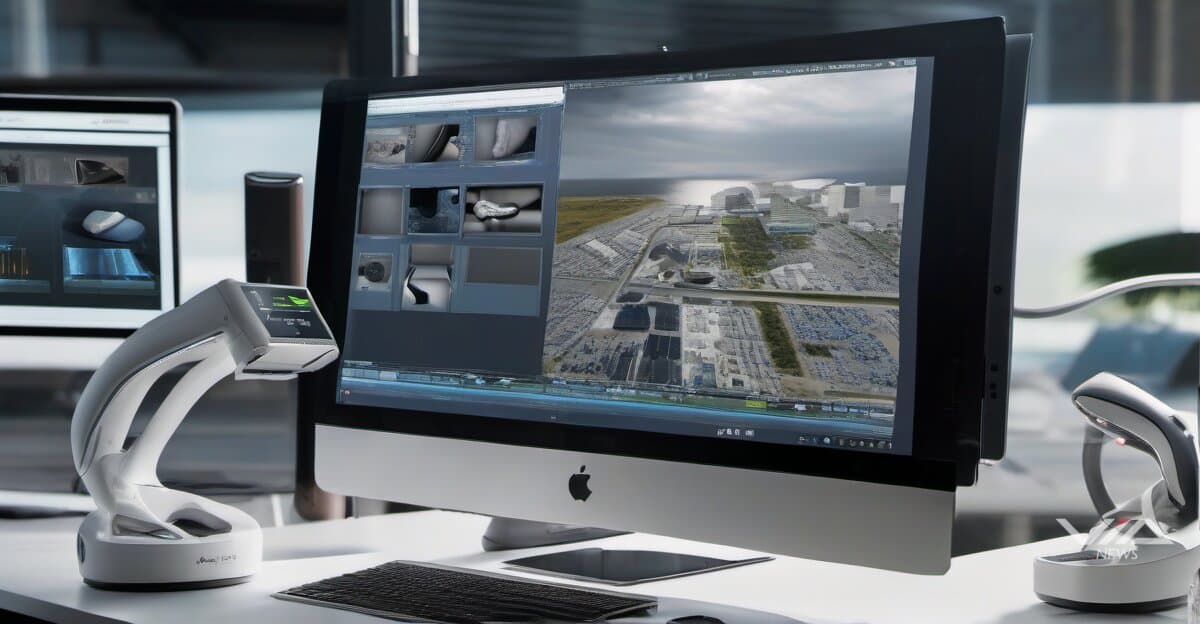
Major tech companies are integrating computer vision AI directly into consumer hardware set for Q1-Q2 2026 release, marking a shift from cloud-dependent to on-device processing. Apple, Acer, and Mobileye lead the hardware integration wave across smartphones, PCs, and autonomous vehicle systems.
Specialized edge computing solutions are addressing clinical bottlenecks. DeepHealth's system tackles a critical cancer monitoring challenge: detecting when tumors merge or split during treatment. Melika Qahqaie notes that "overlooking these events can lead to misclassification under RECIST and potentially incorrect assessment of disease progression." Missing merged lesions results in inaccurate response evaluation under standard cancer measurement protocols.
Alitheon and VeeaVision are deploying vision AI for authentication and industrial automation, pushing processing to edge devices rather than centralized servers. This architecture reduces latency and enables real-time decision-making in manufacturing and security applications.
The commercialization push faces pushback from AI ethics researchers. Timnit Gebru argues the current development model involves "stealing data, killing the environment, exploiting labor." She points to Meta's No Language Left Behind model covering 200 languages as an example of Big Tech undermining specialized startups. When Meta announced the model claimed to translate 55 African languages, investors told small African language NLP startups to "close up shop."
OpenAI representatives have approached small language AI organizations with what Gebru characterizes as threats: "OpenAI is going to put you out of business soon because we're going to make our models better in your language. You're better off collaborating with us and supplying us data for which we're going to pay you peanuts."
The tension between rapid hardware integration and ethical concerns about AI sustainability creates uncertainty for mid-sized players. Companies betting on specialized edge solutions face pressure from both resource-intensive foundation models and concerns about environmental impact. The Q1-Q2 2026 hardware launches will test whether edge-based vision AI can deliver clinical and consumer value while avoiding the sustainability and market consolidation issues plaguing centralized AI development.