
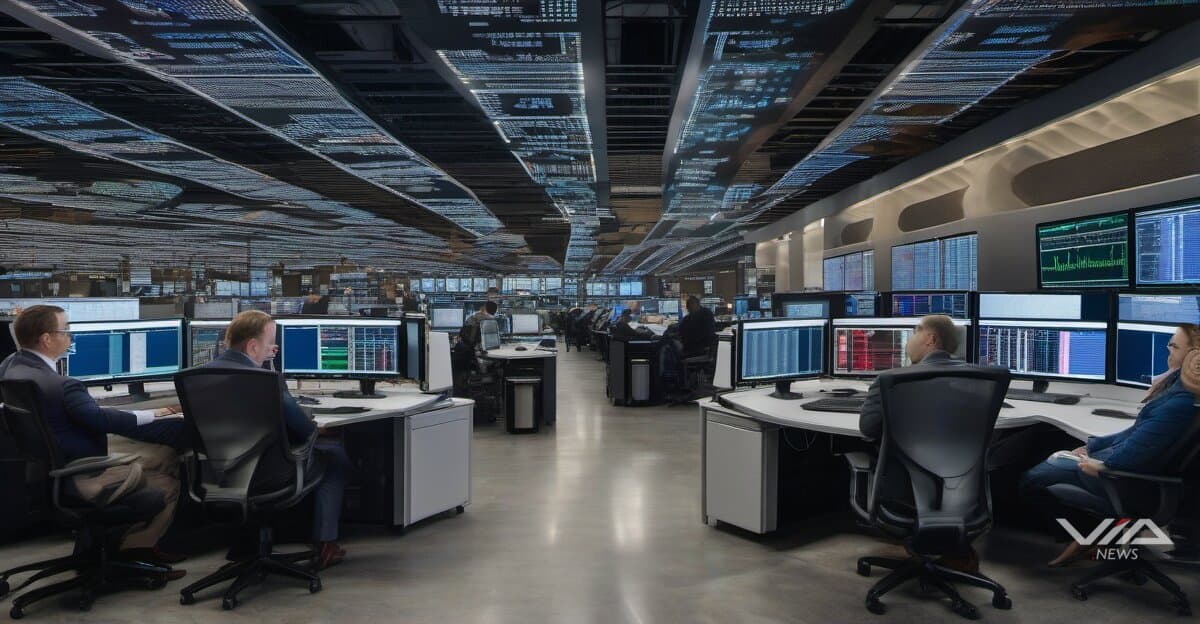
Algorithmic trading platforms are deploying multi-layered ML systems that adjust execution strategies in real time, responding to record trading volumes and market fragmentation across digital assets.
TPK Trading upgraded its AI performance layer in December 2025 to handle volatile crypto markets, where liquidity conditions shift faster than quarterly model retraining cycles allow. The firm stated platforms synthesizing large-scale data while maintaining coherent performance across volatility cycles will define competitive advantage in automated trading.
Galidix expanded its adaptive AI layer the same month, citing digital-asset markets progressing toward automated infrastructures operating at unprecedented speeds. Flow Traders is investing in similar real-time recalibration systems as static models fail to track intraday correlation changes across 24/7 crypto exchanges.
Tradeweb and Virtu Financial reported record Q4 2025 and January 2026 results, attributing performance to execution systems processing fragmented order books across multiple venues simultaneously. The infrastructure handles anomaly detection for liquidity gaps and volume surges while routing trades through optimal pathways based on current depth data.
The technical architecture combines pattern-recognition algorithms with predictive modules trained on historical datasets, then applies real-time adjustments as new pricing and volume data arrive. Systems monitor correlation metrics across asset classes, triggering portfolio rebalancing when risk thresholds breach preset limits.
Quantum AI Platform launched in New York in 2025 with a unified infrastructure integrating market analytics, risk-optimized execution, and cross-asset access through a single interface. The system processes technical indicators and volatility models continuously, executing automated reaction cycles without manual intervention.
Enterprise deployment focuses on low-latency routing and distributed server architectures to minimize execution delays. Multi-factor authentication and behavioral-anomaly detection secure systems handling high-frequency transaction flows across forex, equities, commodities, and indices alongside crypto pairs.
The move from periodic model updates to continuous adaptation addresses market structure changes in digital assets, where decentralized exchanges and global trading windows create liquidity patterns that shift across hours rather than quarters. Firms unable to process these data streams at scale risk execution slippage as optimal pricing windows close within seconds.