
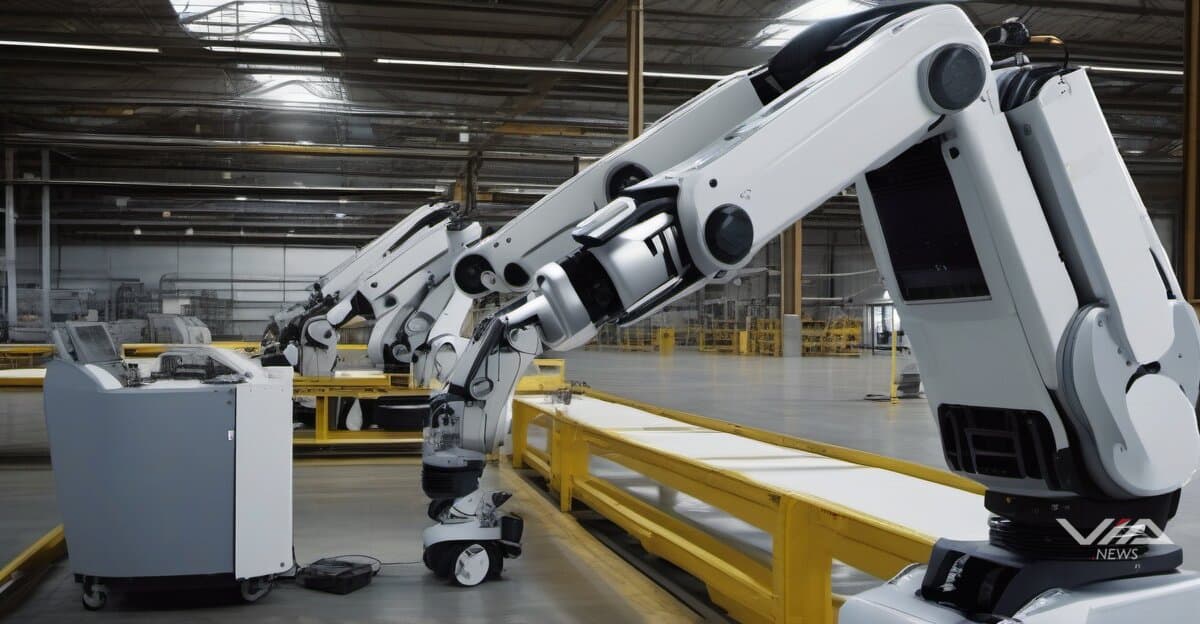
Boston Dynamics is conducting final tests on its Atlas research platform before the enterprise version enters commercial deployment. The company's engineers pushed full-body control and mobility limits in partnership with the RAI Institute as the commercial humanoid robot prepares for market entry.
Mobileye acquired Mentee Robotics to fast-track humanoid robot development. "Joining forces with Mobileye gives us access to unparalleled AI infrastructure and commercialization expertise, accelerating our mission to bring scalable, safe, and cost-effective humanoid solutions to market," said Prof. Lior Wolf of Mentee Robotics.
The 2026-2028 launch window includes autonomous delivery vehicles from Nuro, exoskeletons from Lifeward ReWalk, and Robotics-as-a-Service platforms in food processing from Chef Robotics and Sojo Industries. This coordinated timing suggests companies see market conditions aligning for commercial viability.
Infrastructure partnerships support the deployment wave. Nokia and NVIDIA formed an AI-RAN alliance to provide the network architecture needed for real-time robot communication and control. These partnerships address the connectivity requirements for autonomous systems operating at scale.
Industrial automation leads adoption patterns, with manufacturing facilities implementing robotic systems faster than consumer markets. Food processing companies are testing subscription-based robotics models that reduce upfront capital requirements. This Robotics-as-a-Service approach lowers barriers for mid-sized businesses.
Regulatory developments vary by application. Autonomous vehicle testing has cleared multiple jurisdictions, while workplace exoskeletons face medical device approval processes. The staggered regulatory timeline may dictate which products reach customers first despite similar technical readiness.
The transition from demonstration to deployment marks 40 backing developments across the robotics sector. Confidence in commercial viability reached 82% among industry analysts tracking the narrative. The shift represents hardware companies moving beyond pilot programs toward revenue-generating operations with established delivery timelines.