
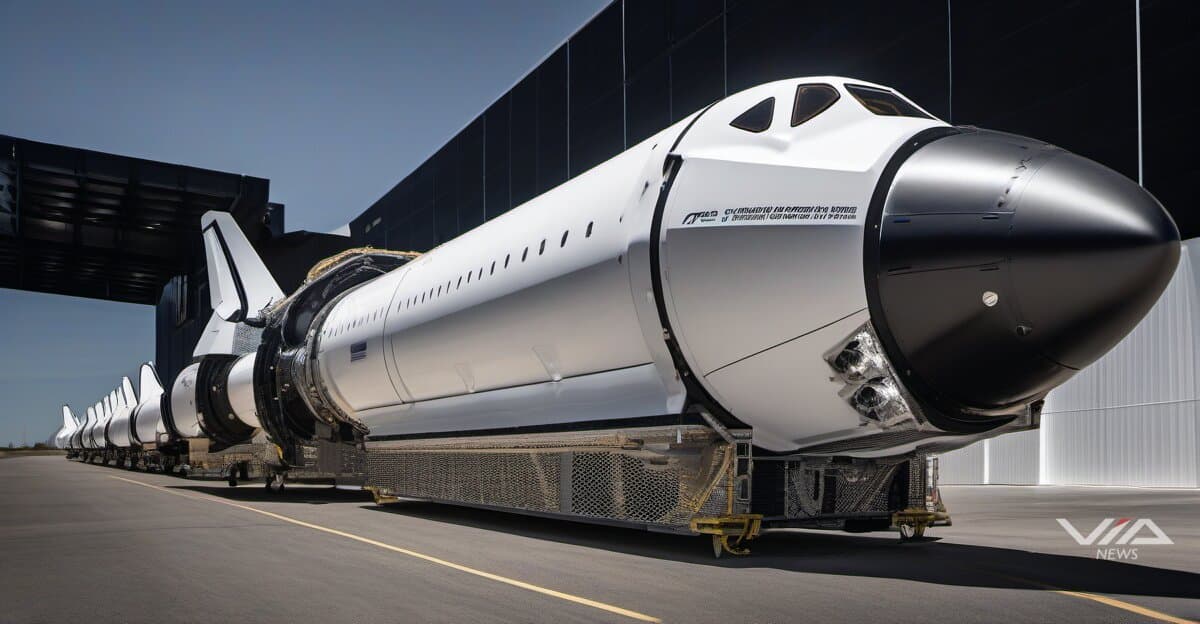
SpaceX could IPO in 2026 at 24 years old, according to Turbine's Mike Hurst. That timeline—triple the traditional venture exit window—signals a structural shift in how deep-tech and space companies access capital.
The extended exit timeline is creating liquidity pressure across venture markets. LPs receive fewer distributions to recycle into new funds, Hurst noted. VCs hesitated to call capital when valuations reset in 2022, leaving founders with strong products unable to raise follow-on rounds.
Secondary markets offered limited relief. Venture secondary sales required significant discounts around 2022, making them unattractive for sellers. LPs faced denominator effects as public equities and real estate fell, forcing them to rebalance portfolios away from private holdings.
Asset-backed lending against LP positions has emerged as an alternative. A typical Turbine borrower holds tens of millions in wealth across multiple illiquid positions, often through family offices. These structures let investors access liquidity without selling stakes at steep discounts.
The SpaceX timeline reflects deep-tech economics. Building rockets, satellite networks, and advanced manufacturing requires sustained capital over decades. Traditional VC fund structures—10-year lifecycles with pressure for 5-7 year exits—mismatch these timelines.
This creates downstream effects. New space startups face investor skepticism about exit timing. VCs favor faster-return software plays over hardware-intensive ventures. LPs demand higher returns to compensate for extended lock-up periods.
The phenomenon extends beyond SpaceX. Major AI infrastructure companies, quantum computing ventures, and synthetic biology firms operate on similar timescales. Each requires massive R&D before generating revenue at scale.
Alternative financing models are adapting. Longer-dated funds, continuation vehicles, and hybrid debt-equity structures provide capital without forcing premature exits. Sovereign wealth funds and strategic corporates enter earlier, accepting longer horizons.
For space tech specifically, the funding gap is acute. Satellite manufacturing, launch services, and in-space operations demand infrastructure buildout before profitability. Companies that survive this gauntlet—like SpaceX—command premium valuations but test investor patience.
The 24-year timeline sets expectations for the next generation of space ventures. Investors pricing deals today must account for 2040s exit windows, fundamentally changing return calculations and portfolio construction.